Tips to care for your plants during monsoon - Water the plants only after checking the beds/pots and planting media for moisture.
- No watering in the evening hours after 3 pm.
- Ensure that the plants do not have any stagnant water.
- Look for worms in plant beds.
.
Similarly, what plants grow in monsoons?
Here is the list of plants you can grow in monsoon or rainy season.
- Cucumber. They are very easy to grow and are very prolific.
- Bhindi(Okra) Bhindi is grow for its long, pointed seed pods, which are used in gumbos and soups.
- Sem Phali.
- Tomato.
- Carrot.
- Cauliflower.
- Radish.
- Beans.
Beside above, how do you protect Terrace Garden from rain? BEFORE
- Remove damaged shoots and limbs.
- Support taller plants. Heavy rain can put taller, less secure plants through their paces, especially when combined with strong winds.
- Drainage.
- Cover the most delicate plants.
- Turn your compost.
- Check your vegetable roots.
- Check your pots and planters.
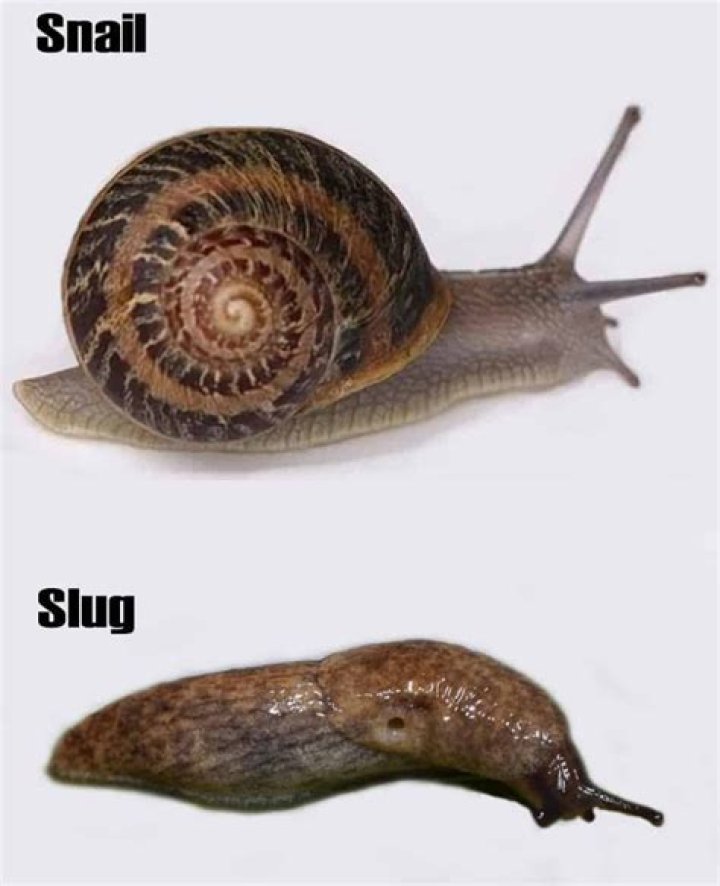
- Keep the slugs and snails at bay.
Likewise, do plants grow in the rain?
Most house plants do best when they are on a regular wet and dry cycle allowing the soil to dry out a bit in between watering. But in general house plants can tolerate being soaked with rainwater even if the soil is already wet. Rainwater contains more oxygen than tap water.
Which flower we get in rainy season?
The lotus is the most exotic rainy season flower that you can have in your garden. Water lilies are good rainy season flower plants for your monsoon garden. Water lilies are aquatic perennials that can be grown in a pond.
Related Question Answers
Why do plants grow well in rainy season?
new plant grow in rainy season because they get appropriate temperature and rainfall. for its proper growth. Due to plenty of water in rainy season, soil becomes moist making the germination of seeds (present in the soil) more efficient and the temperature also remains good thought the season.Which fruit comes in rainy season?
Pears. During the monsoon season, a large amount of vitamins are required to help fight the infections. There is a high level of humidity in the atmosphere during this season and chances of falling sick is high. Hence, pears is one of the fruits that needs to be eaten in monsoon.What foods grow in the summer?
Summer crops include snap beans, corn, cucumbers, melons, peppers, tomatoes, and squash - Beans.
- Celery (cold climates)
- Corn.
- Cucumbers.
- Edamame.
- Eggplant.
- Muskmelons.
- Okra.
Why do plants dry in summer?
Plants frequently wilt in hot weather, allowing both leaves and flowers to droop, sometimes to an alarming degree. Wilting occurs when the pace at which plant leaves dispel moisture into the air, in a process called transpiration, outpaces the ability of plant roots to supply enough water.Which flower plants are good for home?
If you are looking for indoor flowering plants, here are the 10 best indoor flowering plants. - Peace lily (Spathiphyllum wallisii) Plant.
- Anthurium Plant.
- Lavender Plant.
- Jasmine Plant.
- Geranium Pelargonium Plant.
- Rhododendron simsii Plant.
- African Violet (saintpaulia) Plant.
- Hibiscus Plant.
Which fruits are not available in rainy season?
Fruits That You Should Not Miss in This Monsoon - Jamun. Jamun is the first fruit of monsoon.
- Cherries. Low on calories, cherries helps you keep away from infections.
- Litchi. High levels of vitamin C, No cholesterol and fats, litchi, helps you increase the resistance towards infections.
- Peach.
- Plum.
- Pomegranate.
- Pears.
How do you grow SEM?
Sem can grow in variety of soil. During its initial growing it requires warm weather and for flowering and fruiting it requires cool weather. It can be started after rainy season and can be harvested in winter and spring. Add lot of compost in it's soil mix.Can rain kill plants?
Heavy rains and thunderstorms can cause plant damage. Add fresh soil or compost as exposed roots can dry out which will seriously harm or kill your plant. Replenish the nutrients. Rain can carry away much needed nutrients for your vegetable plants.Is tap water OK for plants?
Most tap water should be fine for your houseplants unless it is softened because it has salts that can build up in the soil over time and eventually cause problems. Chlorinated water is also safe for most houseplants, but if you have a filtration system, that's even better for your plants.What do plants do when it rains?
It's simple! Plants (like all living creatures) need water to survive. When it rains, the soil is saturated which allows plants to suck up water with their roots and deliver water to the rest of the plant. Rain could also help wash debreas off of a plants leaves which will help them perform photosynthesis better.What are the benefits of rain?
What are the advantages of rain as compared to what? Rain is part of the water cycle. It clears the air, replenishes aquifers, allows plants to grow, eventually fills streams, rivers, lakes, and ponds, and rain adds humidity to the air.How does water play an important in plant life?
Water helps a plant by transporting important nutrients through the plant. Nutrients are drawn from the soil and used by the plant. Without enough water in the cells, the plants droop, so water helps a plant stand. Water carries the dissolved sugar and other nutrients through the plant.How does nature benefit from rain?
Carbon dioxide is also brought down to Earth to the benefit of plants when it rains. Carbon dioxide, when it combines with other minerals in the atmosphere, imparts to rainwater an acidic pH. These salts, which are carried in irrigation water, accumulate throughout the soil profile and inhibit plant growth.Can you plant after heavy rain?
One common concern that puts people off gardening when it's wet is whether you can really plant in the rain. In actual fact, it's fine – as long as there's no standing water. Just use a pot, or place in the garden, that has good drainage.Do plants get nutrients from rain?
Rainwater frees nutrients and minerals in the soil the plant needs to survive. As the soil absorbs rainwater, a film forms around soil particles, according to Bellevue College. Roots then absorb these particles in a process called diffusion. These nutrients are carried to the rest of the plant.Does rain contain nutrients for plants?
Rainwater contains nitrate – the most bio-available form of nitrogen. Nitrogen is one of the three key macro-nutrients that plants need to thrive–necessary for the development of lush foliage. Many forms of nitrogen are not actually absorbable by plants. Plants typically absorb most of their nitrates from the soil.How can we protect our garden from heavy rain?
A simple preventative measure is to protect the roots of your plants from weather damage by spreading mulch. A 3-inch layer around the root area will protect the plant from cold damage following heavy rain. Just keep the mulch at least 3 inches from the plant's foliage.Do you still need to water plants if it rains?
Drenching rains – in moderation, at least – are a welcome relief, conserving water and often minimizing the need for supplemental watering or other care for several days. Often, the best way to avoid over- or under-watering plants is to use the moisture level in the soil around plants as a guide.Will too much rain kill tomato plants?
Excessive amounts of water drive air out of the soil around the plants' roots, and eventually the roots drown and die. Oddly enough, the effects of overwatering and underwatering can look similar. The leaves and stems wilt, turn yellow and brown, and fall off.