How do you test for residual chlorine?
The first option for testing uses a liquid chemical OTO (orthotolidine) that causes a color change to yellow in the presence of total chlorine. You simply fill a tube with water, add 1-5 drops of the solution, and look for the color change.
What does the DPD test measure in a pool?
A DPD test is a swimming pool water test which measures the oxidizer level in the pool water, such as free and total chlorine, bromine, and ozone.
Does DPD measure free chlorine?
DPD is historically the most common method used to measure chlorine in water samples. The DPD method is a colorimetric method used to determine free and total chlorine concentration. DPD is a colourless compound which turns a magenta pink colour in the presence of oxidising agents such as chlorine.
How does DPD react with chlorine?
DPD (N,N-diethyl-p-phenylenediamine) is oxidized by chlorine, causing a magenta (red) color. The intensity of color is directly proportional to the chlorine concentration. DPD reacts in much the same way with other oxidants, including bromine, chlorine dioxide, hydrogen peroxide, iodine, ozone and permanganate.
What is a good chlorine residual?
For normal domestic use, residual chlorine levels at the point where the consumer collects water should be between 0.2 and 0.5 mg/l. The higher level will be close to the disinfection point and the lower level at the far extremities of the supply network.
Is residual chlorine the same as total chlorine?
The Chlorine that exists after this initial disinfection is called the Residual. Total Residual Chlorine is the result of a Total Chlorine test that is performed after disinfection has occurred. Any Total Chlorine test can be considered a Total Residual Chlorine test based on when the test is performed.
How do you do a DPD test?
➢ For a 1-5 dilution, fill the tube with pool water to the 1.8 ml mark and fill the rest of the tube with distilled water all the way up to the 9 ml mark. Run DPD test as usual, read color AND MULTIPLY THE RESULT BY 5. So if you run a 1-5 dilution and get a read of 3ppm then the actual chlorine level is 3×5=15ppm.
Is free chlorine the same as residual chlorine?
These hypochlorite ions are called as free chlorine. This free chlorine is responsible for the chlorination of the microbes in water. All the free chlorine is not consumed in the chlorination. This remaining chlorine is called residual chlorine.
What is the difference between DPD 1 and DPD 3?
DPD 1: This will measure free chlorine, which is the cholrine that is in the pool to kill any bacteria. DPD 3: This will measure combind chlorine, so when you add dpd 3 to the same sample as dpd 1, you will be able to work out the total chlorine. DPD 4: This is used to measure total chlorine only.
How does a DPD test work?
A buffered DPD indicator powder is added to a water sample and reacts with chlorine to produce the pink color characteristic of the standard DPD test. Ferrous ammonium sulfate (FAS) is then added drop by drop until the pink color completely and permanently disappears, signaling the endpoint of the reaction.
How do you test for chlorine in water?
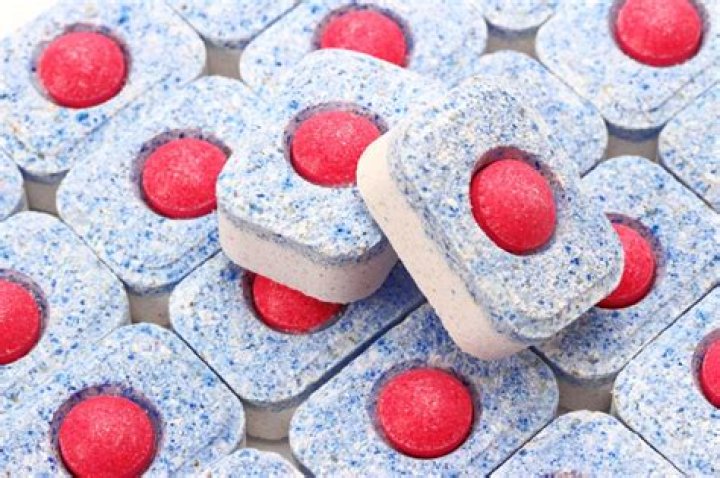
A tablet of dpd is added to a sample of water, colouring it red. The strength of colour is measured against standard colours on a chart to determine the chlorine concentration. The stronger the colour, the higher the concentration of chlorine in the water.