.
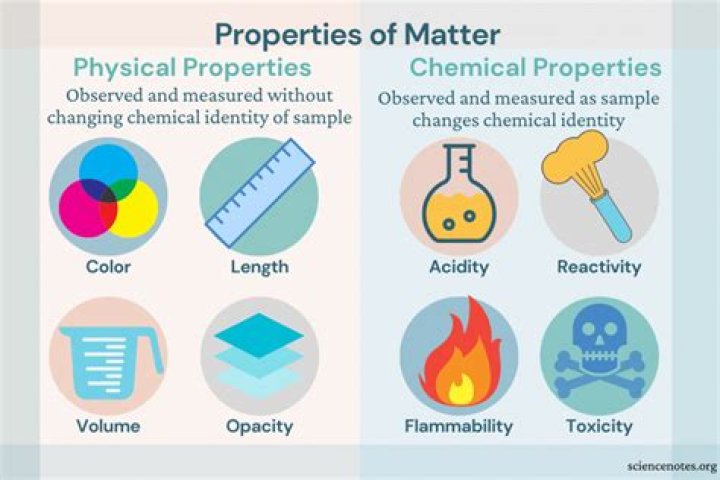
Likewise, is refrigerant flammable?
Refrigerant Flammability Classes Class 1 refrigerants are either non-combustible or, at 70 degrees F and 14.6 psi (room temperature and sea-level atmospheric pressure), do not support the spread of a flame in a combustible environment of the gas outward from the point of ignition.
Similarly, is Car Aircon gas flammable? Some technicians are taking it up to use in mobile air-conditioning – automotive air-conditioning – but it is highly flammable and extremely explosive and is not used by any car manufacturer globally for any automotive application. “It's banned in the US.
In this regard, is 134a refrigerant flammable?
The pressure/temperature relationship and the latent heat values of R-134a are very similar to those of R-12. Also, R-134a is a very safe refrigerant with an ASHRAE safety classification of A1. This means it is not flammable and has very low toxicity levels. R-134a is not a refrigerant blend.
Is r1234 flammable?
R1234yf is a synthetic HFO refrigerant co-developed by DuPont and Honeywell as a successor to R134a for automotive air-conditioning applications. The biggest difference is R1234yf's A2L flammability rating, which means it is mildly flammable.
Related Question AnswersIs refrigerant toxic?
Freon is a tasteless, mostly odorless gas. When it is deeply inhaled, it can cut off vital oxygen to your cells and lungs. Limited exposure — for example, a spill on your skin or breathing near an open container — is only mildly harmful. However, you should try to avoid all contact with these types of chemicals.Can Freon catch fire?
Freon is compressed into self-pressure-releasing cylinders that may rupture because of extended exposure to fires over 900 degrees Celsius. Freon itself does not catch fire, but the cylinders containing the gas may explode if the fire is not controlled.Is refrigerant leak dangerous?
A Refrigerant Leak In Your Home Can Be Harmful A refrigerant leak isn't only bad news for your air conditioning system. Exposure to refrigerant is dangerous and can lead to refrigerant poisoning if the leak is significant.Which refrigerant is flammable?
Flammable Refrigerants. Flammable refrigerants are illegal to use in an automotive air conditioning system. There are some exceptions, such as the new R1234yf refrigerant, which is mildly flammable but only under certain conditions.Is r22 refrigerant flammable?
What is R22 Refrigerant or Freon? R22 refrigerant is one of the most commonly used refrigerants in the air conditioning systems. R22 is non-toxic and it is non-flammable that makes this refrigerant highly safe for the domestic and industrial purposes.Which refrigerant is both heavier than air and flammable?
R-22a is a hydrocarbon refrigerant blend with primary components including flammable substances such as propane and butane. In some cases, it may also contain small amounts of other hydrocarbons or a pine-scented odorant. This refrigerant is a highly flammable, colorless gas that is heavier than air.Which refrigerant is best?
The most common HFC used in air conditioners is R-410A. This refrigerant is better than R-22 in terms of “Ozone Depletion” potential and energy efficiency, but it still causes global warming. A few more HFCs that are commonly used are: R-32 in Air Conditioners and R-134A in refrigerators.What is the most common refrigerant?
The most common refrigerants include Chlorofluorocarbons (CFCs), Hydrochlorofluorocarbons (HCFCs), Hydrofluorocarbons (HFCs), and Natural Refrigerants. Freons or halocarbons are synthetically produced.The refrigerant types that make the most common list include:
- R-134A.
- R-407C.
- R-404A.
- R-410A.
Is r134a phased out?
FACT: There is no phase out date for HFCs. On September 26, 2016, the EPA announced that, under the EPA SNAP (Significant New Alternatives Policy) program, specific refrigerants including R134a and R410A can no longer be used in new chillers, effective January 1, 2024.What is replacing 134a?
There is one mainstream refrigerant that will be replacing 134a and that is the new 1234YF. 1234YF is a Hydroflurooolefin refrigerant and has a Global Warming Potential of four and it does not damage the O-Zone layer.Is refrigerant 134a hazardous?
EYES: Liquid contact can cause severe irritation and frostbite. Mist may irritate. INHALATION: R-134a is low in acute toxicity in animals.Is it illegal to release r134a into the air?
R134a is not an ozone-destroying agent, but it is a greenhouse gas, and is illegal to vent as well.Is r134a the same as 134a?
Difference between R134a and 134a? It's the same most likely. 1,1,1,2-Tetrafluoroethane, R-134a, Genetron 134a, Suva 134a or HFC-134a, is a haloalkane refrigerant with thermodynamic properties similar to R-12 (dichlorodifluoromethane), but with less ozone depletion potential.What cars are using 1234yf?
What Vehicles Use R-1234yf- Toyota Prius Plus, GT86, Yaris HSD.
- Tesla Model S.
- Subaru Forrester, XV, Impreza BRZ, Forrester.
- SAIC Motor Corporation Limited Rover 350/MG 350.
- Renault Zoe 3.
- Range Rover Sport and Range Rover.
- Peugeot 308, 301.
- Opel Mokka.