.
Simply so, do wounds heal faster wet or dry?
Moist wound healing is the practice of keeping a wound in an optimally moist environment in order to promote faster healing. Research has shown that moist wound healing is three to five times quicker than the healing of wounds that are allowed to dry out.
how do you keep a wound moist? Gently wash the area with mild soap and water to keep out germs and remove debris. To help the injured skin heal, use petroleum jelly to keep the wound moist. Petroleum jelly prevents the wound from drying out and forming a scab; wounds with scabs take longer to heal.
Also, why do wounds need to be moist?
BECAUSE IT WILL PREVENT SCABS Under moist wound healing conditions, the formation of a crusty scab is prevented. This is because moist wound healing promotes growth and migration of new cells and ensures that essential proteins for closing your wound stay where they belong in order to do their repair job.
Do wounds heal faster covered or uncovered?
While yes, wounds in certain circumstances can be left untouched – such as a minor scrape that doesn't bleed – severe wounds cannot heal without moisture. Leaving it uncovered isn't in the interest of faster healing, according to Cleveland Clinic plastic surgeon Christi Cavaliere, MD.
Related Question AnswersWhen should you stop covering a wound?
Keeping a wound covered until it heals can prevent skin cells from drying out and forming a scab, thereby minimizing the appearance of scarring.How do you speed up wound healing?
Your body needs good food to fuel the healing process. Include foods rich in vitamin C in your diet. The body needs vitamin C to make collagen. Fresh fruits and vegetables eaten daily will also supply your body with other nutrients essential to wound healing such as vitamin A, copper and zinc.How long should you keep a dressing on a wound?
two daysWhat happens if u dont get stitches?
What can happen if you don't get stitches? The longer the wound remains open, the greater the chance for infection. The wound may not heal properly. There is an increased possibility for scarring.How do you know a wound is healing?
As your wound heals, look out for these signs, and check with your doctor if you have:- Redness and swelling.
- A lot of pain near the wound.
- Thick, grayish fluid draining from it.
- A fever higher than 100.4 F.
- Red streaks near the cut.
How often should you change bandages?
How often should I change my bandage? Generally, bandages are changed once in the morning and once in the evening, but this can vary. If there is a lot of oozing fluid during the first few days, your healthcare provider may recommend changing it more often.Can I shower with an open wound?
Yes, you can have a bath or a shower. Showering is preferable to bathing, so that the wound does not 'soak' in water. Do not use soap, shower gel, body lotion, talcum powder or other bathing products directly over your healing wound; and do not rub the area, as this might be painful and could delay healing.What do you do with macerated wounds?
Treatments for macerated skin caused by wounds include specific types of bandages and dressings, including:- Occlusive dressings. These are nonabsorbent and wax-coated, making them both airtight and watertight.
- Hydrofiber dressings.
How long does it take for a deep cut to heal?
Larger or deeper wounds that required surgery can take six to eight weeks to heal. Longer recovery times may be necessary if tendons or nerves were damaged. Follow-up appointments with your healthcare provider will be needed to make sure the wound is healing properly. All wounds leave some kind of scar.How long does it take for a deep wound to heal?
6 to 8 weeksIs it good to put Vaseline on an open wound?
Wounds Heal Faster with Vaseline – Vaseline (petroleum jelly) not only keeps wounds clean and moist but also provides an occlusive layer, thus keeps the wound covered. When using Vaseline the wound will scab less and the new skin will be less raised (or not at all) and with less discoloration.What happens if you leave a bandaid on too long?
Leaving bandages on too long can slow the healing process and encourage infection. Bleed-through increases the danger that a bandage will adhere to the wound. When this happens, soak the dressings and coax it off gently.Do bandaids help wounds heal faster?
Heals cuts twice as fast. And Band-Aid's pack of ten so-called “Advanced Healing” adhesive bandages has the claim they promote “faster healing”. In store, you might see promotional displays that promise Band-Aids are: Clinically proven to heal wounds faster.How do you keep gauze from sticking to a wound?
If the dressing is a basic dry material, such as standard gauze or a cloth, you should add a thin layer of white petroleum jelly directly to the materials. The petroleum jelly will help keep the wound moist and prevent the dressing from sticking to the wound or scab.What is the ideal environment for wound healing?
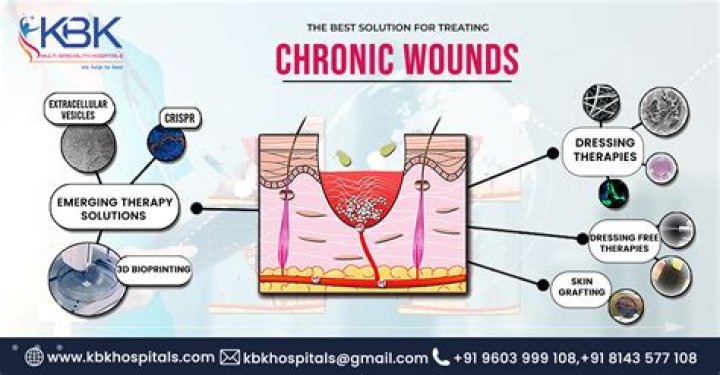
Since then, moist dressings have become the standard method for care for chronic wounds. A moist environment has been proven to facilitate the healing process of the wound by preventing dehydration and enhancing angiogenesis and collagen synthesis together with increased breakdown of dead tissue and fibrin.How do you clean a wound?
Just follow these steps:- Rinse the wound in clear water to loosen and remove dirt and debris.
- Use a soft washcloth and mild soap to clean around the wound. Don't place soap in the wound.
- Use tweezers to remove any dirt or debris that still appears after washing. Clean the tweezers first with isopropyl alcohol.