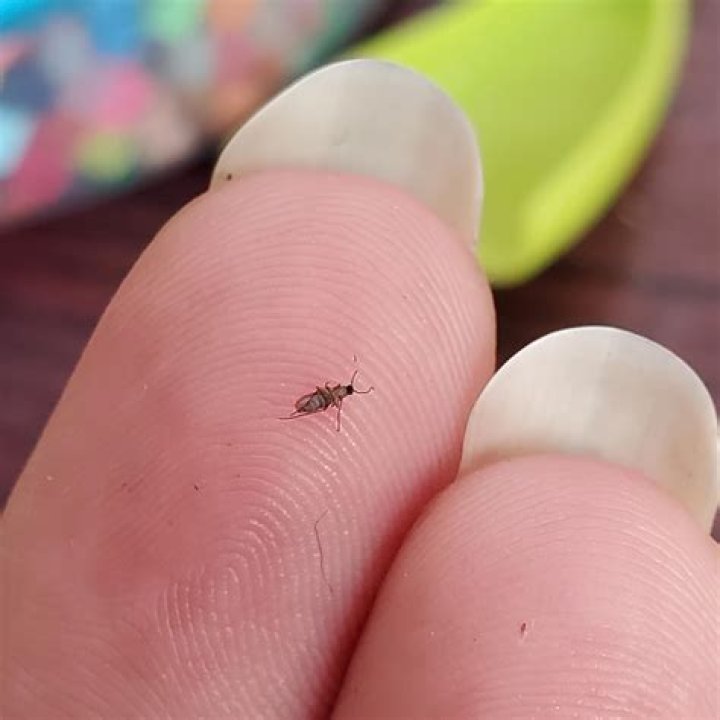
Boxelder bugs are black with reddish or orange markings on their back. Adult boxelder bugs have a body shape that is a somewhat-flattened and elongated oval and is about half an inch long. They have six legs and two antennae that are typically half of their body length.
What are the black and orange beetles in my garden?
Beneficial Beetles Ladybug and soldier beetles are black-and-orange hunters of common garden pests. The ladybug is a small, round beetle varying in color from red to orange and toting black spots. The soldier beetle is orange to red, elongated to nearly rectangular. Both feed primarily on aphids.
What is a black beetle with orange spots?
About an inch and a half long, the American burying beetle can be identified by its striking, distinctive coloring. The body is shiny black, and on its wing covers are four scalloped, orange-red markings.
How do you get rid of black and orange beetles?
Make a Soap Spray A simple solution made from soap and water will kill boxelder bugs. Add a tablespoon or so of dish washing liquid soap to a spray bottle full of water and shake gently to combine. Spray the mixture directly on any bugs you see.Are boxelder beetles harmful?
Boxelder bugs are nuisance pests. They do not sting or transmit disease, and are generally not known to bite, though there are rare reports of defensive biting. Boxelder bugs are not known to cause damage to homes or significant damage to plants. However, their feces can stain light colored surfaces.
Why are boxelder bugs so bad this year?
People notice boxelder bugs in the fall more than any other time of the year because they become such a nuisance at this time. … As the weather turns colder, these insects go into survival mode – they need a place to stay for the winter, and they often try to invade human structures.
What does a boxelder bug look like?
Boxelder bugs are black with reddish or orange markings on their back. They look like a somewhat flattened, elongated oval and are about ½-inch long. The nymphs (immature boxelder bugs) look similar to the adults but lack wings and are bright red in color.
Why are boxelder bugs on my house?
Boxelder bugs congregate near homes to stay warm, seek shelter, and remain close to food. They’re attracted to sunny, heat-reflecting surfaces like windows, concrete, and homes with southern or western exposure.How do I permanently get rid of boxelder bugs?
- Blast them with water.
- Deploy diatomaceous earth.
- Spray residual insecticide.
- Replace seed-bearing boxelder trees.
- Vacuum them up.
- Trap them.
- Use a homemade weapon.
They may emerge from walls when heat sources within the building are high and they can be located in the warmest areas of a structure’s walls. Box elder bugs do not nest indoors year-round. While overwintering, they do not feed or reproduce. During warmer seasons, they make their homes in box elder maple and ash trees.
Article first time published onAre assassin bugs orange?
The orange assassin bug, Pselliopus barberi, is about ½ inch long and is one of our most attractive non-butterfly insects. It is one of nearly 200 species of assassin bugs in North America. It is golden orange with black-banded legs and a series of black marks along the outer margin of the abdomen.
Are Grapevine beetles harmful?
They are not poisonous and cannot bite humans. The worst thing that can happen is you will frighten them enough that they will leave a green stain on your hand. Grapevine beetles behave like many other related beetles and according to some sources, will sometimes be found around exterior lights at night.
What does the burying beetle look like?
American burying beetles are the largest of the carrion beetles: up to one-and-a-half inches long. They are shiny black with bright orange-red bands on their elytra (wing-covers). They also have a bright orange-red patch just behind the head and a patch between the eyes.
Can humans eat boxelder bugs?
The bugs themselves are gentle and will not harm humans even when handled. Although they do have biting mouth parts, they rarely bite humans and do not have venom. They are not poisonous if accidently eaten, although they are said to be bad tasting and they emit an unpleasant odor when squished.
Are black and orange bugs poisonous?
black: Black ladybugs with small red spots are called pine ladybirds. … They are the least toxic ladybug species. orange: Orange-tinted ladybugs (which are mostly Asian lady beetles) tend to have the most toxins in their bodies. Therefore, they may be the most allergenic to humans.
What is a boxelder tree look like?
What Does a Boxelder Tree Look Like? Boxelder tree identification is simple if you know what to look for. These trees look unusual for the maple genus, featuring ash-colored compound leaves, roundish buds, and thick twigs that morph from powder blue to purplish-green throughout the seasons.
Are boxelder bugs invasive?
The boxelder bug (Boisea trivittata) is a North American species of true bug. It is found primarily on boxelder trees, as well as maple and ash trees. … In 2020, this species invaded Chile, thus becoming an invasive species.
Where do boxelder bugs lay their eggs?
Adult box elder bugs lay their eggs in the spring inside of host trees or on their leaves. The eggs are oval-shaped and rust-red or red-brown. This coloration allows them to blend in with their host trees, thus protecting them from predators.
What does lots of boxelder bugs mean?
Boxelder bugs tend to have high populations during hot, dry summers (records show their populations skyrocketed during the Dust Bowl in the 1930s), meaning a summer like we had can produce a lot of boxelder bugs. They are now sensing the seasons are changing, and looking for a warm place to hunker down for the winter.
What do boxelder beetles eat?
- Boxelder bugs feed by sucking sap from the leaves, tender twigs and developing seeds.
- Although the primary host plant of boxelder bugs is the seed-bearing boxelder tree, boxelder bugs have been occasionally observed on other plants such as, apple, ash, maple, almond, strawberry, etc.
What temp kills boxelder bugs?
Boxelders found in clusters on trees or the sunny side of houses can be sprayed away with a garden hose. A hard spraying is sometimes enough to convince the surviving bugs they should go somewhere else. Hot water between 160-180˚F will kill the bugs but, at these temperatures, can also burn the sprayer.
What plants keep boxelder bugs away?
Sage, whole cloves and lavender are easy to come by, and bugs hate the smell of them.
Does vinegar repel boxelder bugs?
Like many bugs, however, box elder bugs are deterred by the smell of vinegar. Use this natural ingredient as a homemade repellent to help staunch the flow of bugs and reduce or eliminate their numbers in your house. Fill a spray bottle with white vinegar (you can use other vinegars, but white doesn’t stain).
What are boxelder bugs good for?
Sure, they suck the juices out of leaves and the developing seeds of boxelder and maple trees, but they don’t siphon enough out to actually hurt the trees. … One of the endearing qualities of boxelder bugs is that they can release bad-smelling/tasting chemicals to discourage predators.
How long do boxelder bugs last?
The average lifespan of a boxelder bug is one year. Infestation levels can vary from year to year, sometimes in large numbers and sometimes trickling in.
What are stink bugs attracted to?
Stink bugs are attracted to lights, so it’s recommended to keep outdoor lighting to a minimum. During the evenings, turn off porch lights and pull down window blinds to prevent light from spilling outside.
What is a June bug look like?
Like other scarab beetles, June bugs are oval-shaped, with six stout legs and fat antennae. They are generally between 1/2 and 1 inch long, and may be brown, black or maroon, without any discernible patterns. According to the Missouri Department of Conservation Online, their undersides are hairy.
What do stink bugs eat?
Most stink bugs are plant feeders. The first generation in the spring often feed on weeds or grasses. As they develop into adults, they often migrate into fields, orchards and residential landscapes. In these environments, stink bugs feed on apples, peaches, berries, peppers, beans and pecans.
What are the orange ladybugs?
The orange ladybug is a variant member of the Asian Lady Beetle Family. It is generally larger than the native red ladybug. It also has a distinct ‘M or W shaped’ white mark on the area above the head called the pronotum. They are also more aggressive than Red Ladybugs.
Where do orange assassin bugs come from?
They nest in woodpiles and among the grasses. The vast majority of these bug species are generally found in North America, but they can be found worldwide, in Europe, Central and South America, Africa, and parts of Asia, but a large variety of species can be found in North America.
What are the orange bugs on my plants?
These bright orange-colored aphids with black legs are known as Oleander Aphids. … Aphids suck the sugary sap from the tender stems and leaves of plants. This robs the plant of the food it just made, but an aphid infestation rarely kills the plant. However, the bugs can cause the leaves to curl or have brown edges.