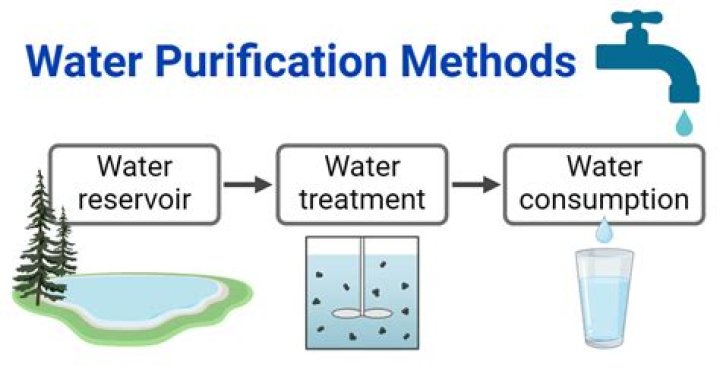
Privatization of public services has occurred at all levels of government within the United States. Some examples of services that have been privatized include airport operation, data processing, vehicle maintenance, corrections, water and wastewater utilities, and waste collection and disposal..
In respect to this, what is Privatisation and its example?
Privatization is the process of transferring an enterprise or industry from the public sector to the private sector. For example, if an individual or organization purchases all the stock in a publicly-traded company, that effectively makes it private, so that process is sometimes described as privatization.
Additionally, is privatization a good idea? Potential benefits of privatisation However, a private firm is interested in making a profit, and so it is more likely to cut costs and be efficient. Since privatisation, companies such as BT, and British Airways have shown degrees of improved efficiency and higher profitability.
Also asked, what do you mean by privatization?
Definition: The transfer of ownership, property or business from the government to the private sector is termed privatization. The government ceases to be the owner of the entity or business. India went for privatization in the historic reforms budget of 1991, also known as 'New Economic Policy or LPG policy'.
What is the reason for privatization?
Governments take privatization stance to reduce its burden in terms of underutilization of resources, over and redundant employment, fiscal burden, financial crises, heavy losses and subsidies in order to improve and strengthen competition, public finances, funding to infrastructure, and quality and quantity of
Related Question Answers
What is privatization and its benefits?
Advantages. Privatization is most of the time associated with improved efficiency due to the profit incentive. Private companies will ensure they improve their operational efficiency in order to reduce their costs and improve on profits. Privatization reduces the government's political interference.What are the benefits of privatization?
If structured appropriately and sufficiently monitored, privatization can: - SAVE TAXPAYERS' MONEY.
- INCREASE FLEXIBILITY.
- IMPROVE SERVICE QUALITY.
- INCREASE EFFICIENCY AND INNOVATION.
- ALLOW POLICYMAKERS TO STEER, RATHER THAN ROW.
- STREAMLINE AND DOWNSIZE GOVERNMENT.
- IMPROVE MAINTENANCE.
Why privatization is important?
Importance of Privatization. Privatization has become an international phenomenon. Privatization is a process by which the government transfers the production activity from public sector to private sector. (a) Improvement in Efficiency: Privatization works for maximization of profit as against public sector.What do you mean by privatization in education?
The term privatization of Education refers to many different educational programs and policies. It is a process which can be defined as the transfer of activities, assets and responsibility from Government, Public Institutions and organizations to private individual and agencies.What does Liberization mean?
Liberalization refers to laws or rules being liberalized, or relaxed, by a government. While liberal is used to refer to more than just politics––you can have liberal parents––liberalization is used only when speaking of economic or social policies or other government regulations.Who started Privatisation in India?
Water privatization in India started in the late 1990s. The government with the technical assistance of International Financial Institutions like the World Bank and the Asian Development Bank developed water policies and various laws to facilitate private sector participation in the water sector.How does privatization affect the government?
Privatization has improved government finances by raising revenues and reducing spending. More important, it has spurred economic growth and improved services because privatized businesses have cut costs, increased quality, and pursued innovation.What is bad about privatization?
Privatisation costs you more You pay more, both as a taxpayer and directly when they privatise public services. In a privatised service, profits must be paid to shareholders, not reinvested in better services. Interest rates are higher for private companies than they are for government.What are the characteristics of privatization?
It involves not only the transfer of public sector to private hands but it limits government involvement in the economic activities and protects the s private sector. Thus, it involves a large number of activities such as reduce government shares then economic sector the d expansion of the private sector.How does privatization affect the economy?
Privatization directly shifts the focus from political goals to economic goals, which leads to development of the market economy (Poole, 1996). Privatization may have a positive impact on a country's economic situation. Privatization should not be used to finance new government expenditures and pay off future debts.What are the objectives of privatization?
Objectives of Privatization Following objectives has been observed behind the process of privatization in the world: To improve the operational efficiency of Public Enterprises. To develop competitive efficiency in the industries. To generate resources for a deficit budget.What are the methods of privatization?
There are six methods of privatisation: (1) public sale of shares; (2) public auction; (3) public tender; (4) direct negotiations; (5) transfer of control of State or municipally controlled enterprises; and (6) lease with a right to purchase. Certain combinations of these methods may also be applied.What is the process of privatization?
Privatization is the process by which the responsibility of producing goods and services is transferred from the public sector, the government, to the private sector. Privatization may increase economic efficiency, growth, and wealth through a free market system.Who invented the word Privatisation?
The Nazi Heritage of Privatization, by Michael Perelman: Privatization is very popular among laissez-faire types today. The recent issue of the Journal of Economic Perspectives offers a tale in which the term privatization is falsely credited to Peter Drucker. In fact, Nazis coined the term.Is privatization of water good or bad?
Water privatization – when private corporations buy or operate public water utilities – is often suggested as a solution to municipal budget problems and aging water systems. Unfortunately, this more often backfires, leaving communities with higher rates, worse service, job losses, and more.Why is Privatisation good for the economy?
Privatisation – Is it Good or Bad for Economic Efficiency? Supporters of privatisation believe that the private sector and the discipline of free market forces are a better incentive for businesses to be run efficiently and thereby achieve improvements in economic welfare.What is meant by privatization of religion?
privatization of religion. differentiation of the secular spheres. Individuals remain believers but cease to participate in traditional ways of institutionalized religions, which they no longer believe to have any religious significance or possess its usual religious attribute.Is the private sector more efficient?
The fanatic of private sector superiority acclaims that compared to public sector, private sector is more efficient and dynamic, while the public sector is slower and more wasteful; that a higher proportion of private sector participation will make things better (Simms and Reid, 2013).Is privatization good for India?
Privatisation will help the government in monetising its asset base and also efficient management of resources. The government has already spent thousands of crores in keeping Air India afloat. The move will reduce the debt load on Air India's books to Rs 20,000 crore and make it more attractive to potential suitors.