.
Also to know is, what is pest and example?
A pest is any organism that spreads disease, causes destruction or is otherwise a nuisance. Some examples of pests are mosquitoes, rodents, and weeds. Examples of beneficial insects are dragonflies (which feed mainly on mosquitoes) and lady beetles (which eat aphids, scale insects, mites, and other insects).
Also Know, what are major pests? - Pests include insects, nematodes, mites, snails, slugs, etc. and vertebrates like rats, birds, etc. Depending upon the importance, pests may be agricultural forest, household, medical, aesthetic and veterinary pests.
Just so, what is mean by pest control?
Pest control is the regulation or management of a species defined as a pest, a member of the animal kingdom that impacts adversely on human activities. Control of these pests is attempted through exclusion, repulsion, physical removal or chemical means.
What is the difference between pest and disease?
One of the main differences between pests and diseases , is that the pests are reproduced in a sexual way by eggs or offspring depending on the species. The species can be classified into: Nematodes (worms), Molluscs (snails and slugs), Arthropods (insects and mites) and rodents (rats, mice, etc.).
Related Question AnswersWhat are the types of pest?
Types of Pests- Ants, Bees and Wasps. Wasps, bees and ants (collectively known as hymenopterods) are one of the largest orders of insects.
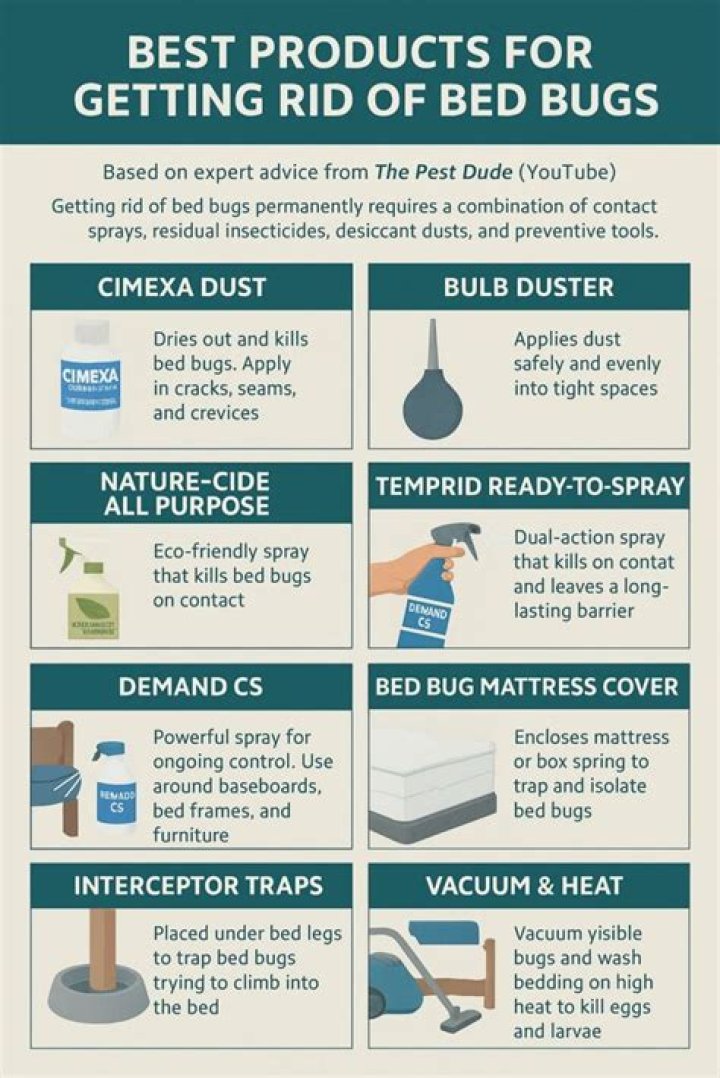
- Bed Bugs. Bedbugs are small, elusive, and parasitic organisms all belonging to a family of insects called Cimicidae.
- Cockroaches.
- Fleas.
- Flies.
- Myriapods.
- Pigeons.
- Rodents.
How many types of pest control are there?
3 Basic Types Of Pest Control. The term "pest control" may sound pretty self-explanatory, but there are actually several different types of pest control services that you can receive, depending on the problem that you're facing in your home.What is the synonym of pest?
Synonyms for pest- blight.
- bug.
- contagion.
- epidemic.
- infection.
- plague.
- scourge.
- virus.
What are the four main groups of pests?
Terms in this set (4)- Weeds. Undesired Plants.
- Invertebrates. Insects, Nematodes, Snails, & Slugs.
- Vertebrates. Birds, Reptiles, Amphibians, Fish, Rodents & other mammals.
- Disease Agents. Bacteria, Viruses, Fungi, Mycoplasmas, other microorganisms, & non living factors.
What is the full meaning of pest?
PEST is an acronym for Political, Economic, Social and Technological. This analysis is used to assess these four external factors in relation to your business situation. Basically, a PEST analysis helps you determine how these factors will affect the performance and activities of your business in the long-term.What is the best definition of a pest?
Definition of pest. 1 : an epidemic disease associated with high mortality specifically : plague. 2 : something resembling a pest in destructiveness especially : a plant or animal detrimental to humans or human concerns (such as agriculture or livestock production) 3 : one that pesters or annoys : nuisance.What are the effects of pest?
Here are some of the damaging effects of pests.- Disease. Fleas, cockroaches, mosquitos and rats are all common carriers for disease, as are many other insects and rodents.
- Allergies and Venom. Another problem area is allergens.
- House Damage. Insects can also cause structural damage to your home.
What are the characteristics of pest?
the common features of pest organisms. characteristics of the damage they cause.A pest is considered to be anything that:
- injures humans, animals, crops, structures, or possessions.
- competes with humans, domestic animals or crops for food, feed, or water.
- spreads disease to humans, domestic animals, or crops.
What are the 3 methods of pest control?
As mentioned above, there are many pest control methods available to choose from, but they can be loosely grouped into six categories: Hygienic, Biological, Chemical, Physical, Fumigation, Fogging and Heat treatment.Why is pest control important?
Pest control is necessary because rodents and insects carry diseases, infest your kitchens and bedrooms, and bite you or your pets. The purpose of removing any kind of pest from your home, garage, or yard is to keep you safe and healthy. For example, rodents can leave feces on or near food they find in your kitchen.How does pest control work?
Most pest control companies can eliminate many different types of pests, including spiders, rodents and all sorts of insects — ants, bees, cockroaches, fleas, termites and wasps. The companies can eradicate certain pests by using poisoned bait, bait that leads into a trap or various chemicals.How much should pest control cost?
Average cost for Pest Control ranges from. $250 - $400 The average cost for pest control is $250. Hiring a exterminator to control pests, you will likely spend between $250 and $400.What are the examples of harmful insects?
List of Pests That Are Really Harmful- American Oil Beetle or Meloe Americanus.
- Aphids or Aphis Spp.
- Assassin Bug or Pselliopus Spp.
- Armyworms.
- Bed Bug or Cimex Lectularius.
- Black Carpenter Ant.
- Black Vine Weevil.
- Black-Legged Tick.
What is pest and disease management?
Pest and Disease Management. Growers want to control pests and diseases to get maximum production and prevent crop loss. Prevention of pests and diseases before any damage is done is most desirable. Four common methods of control of pests and diseases are biological, cultural, chemical, and integrated control.What is insect pest and disease?
Insect and Disease Complexes Pest and disease problems in plants are often the result of more than one cause. These are called "complexes." For example aphids and leafhoppers often spread various plant diseases in the process of feeding.What are diseases of crops?
Bacteria and bacterial diseases The symptoms may – depending on crop and pathogen – range from leaf spots through to wilting, cankers, and wet rot. Many of these diseases cause serious problems such as blackleg in potato and bacterial canker in tomato.What are the common diseases of crops?
Here Are 10 Common Plant Diseases In North America:- Blight. Blight is easily recognizable by the sudden death of all plant tissue including leaves, stems, and flowers.
- Canker. Canker is identifiable by a dead area on the stem that is often discolored.
- Gall.
- Leaf Curl.
- Leaf Spot.
- Powdery Mildew.
- Root Rot.
- Wilt.